info.mordernlife@gmail.com
Discover how mental health first aid training can empower youth to support peers in crisis. Learn key skills, benefits, and how to get certified today!
Introduction
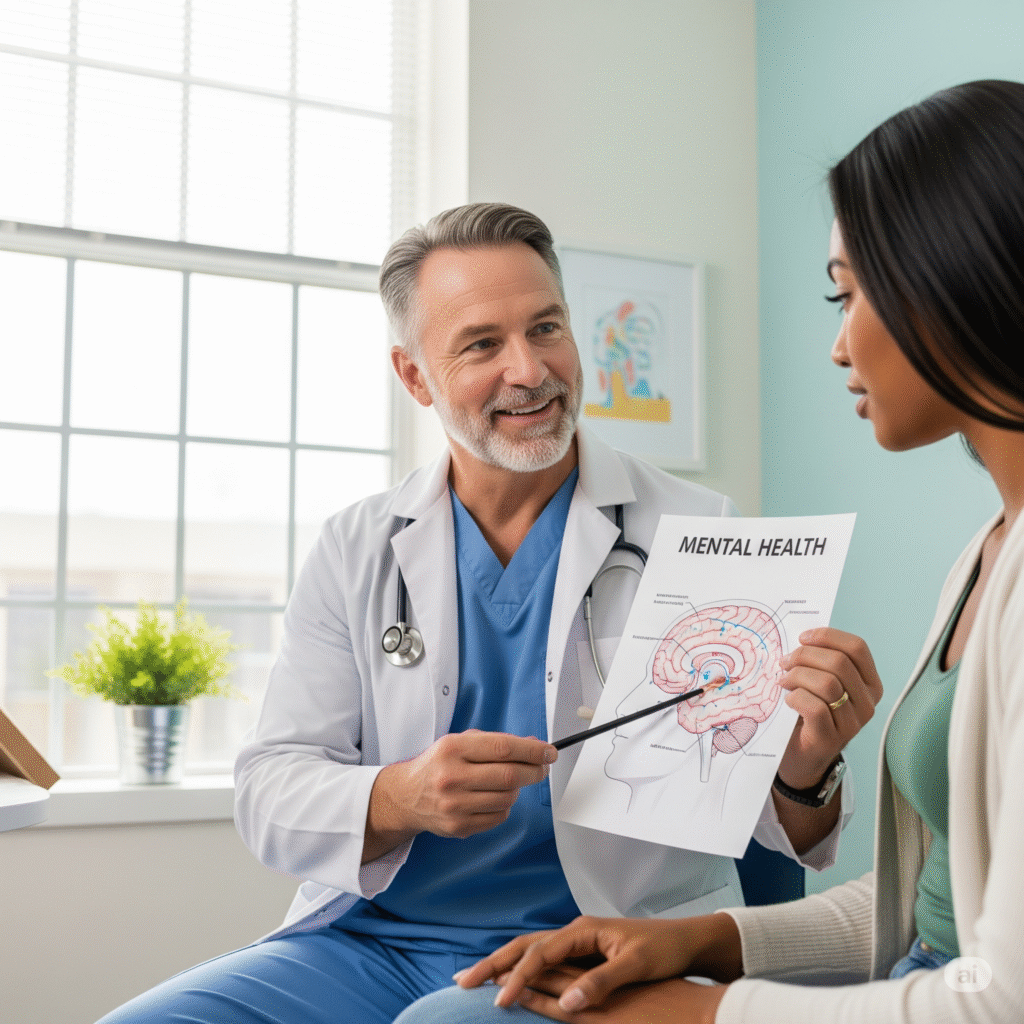
Mental health challenges among young people are rising. From anxiety to depression, many youth struggle silently. But what if you could help? Mental health first aid training teaches you how to recognize warning signs, offer support, and guide someone toward professional help.
Just like physical first aid, this training equips you with lifesaving skills—but for emotional and psychological crises. Whether you’re a student, teacher, or young professional, learning mental health first aid can make a real difference.
In this guide, we’ll cover:
- What mental health first aid training is
- Why it’s crucial for youth
- Key skills you’ll learn
- How to get certified
- Real-life examples of its impact
Let’s dive in.
What Is Mental Health First Aid Training?
Mental health first aid training is a program that teaches people how to identify, understand, and respond to mental health crises. It follows a simple but powerful action plan: fiveer
- Assess for risk of harm
- Listen without judgment
- Give reassurance and information
- Encourage professional help
- Support self-help strategies
This training covers common issues like:
- Anxiety
- Depression
- Substance abuse
- Psychotic episodes
- Suicidal thoughts
Unlike therapy, mental health first aid is about immediate support—helping someone stay safe until they get professional care. visit mental health nutrition support
Why Youth Need Mental Health First Aid Training
Young people face unique mental health challenges:
- Academic pressure – Exams, assignments, and future uncertainty cause stress.
- Social media impact – Cyberbullying and unrealistic comparisons harm self-esteem.
- Isolation – Many youth feel alone, even in crowded spaces. also visit health and welness page
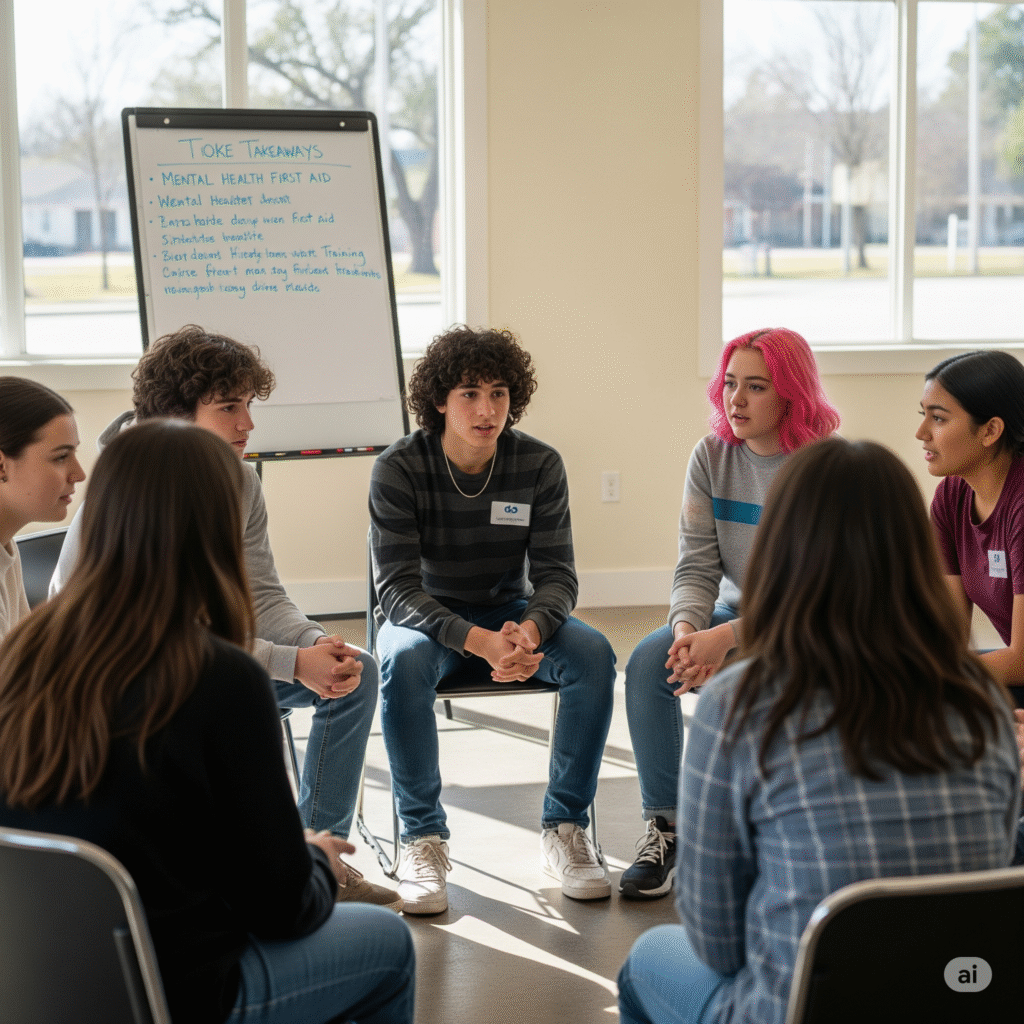
Early intervention can prevent crises. When peers are trained in mental health first aid, they can:
- Spot warning signs early
- Reduce stigma around mental health
- Connect friends to resources faster
Key Skills You’ll Learn in Mental Health First Aid Training
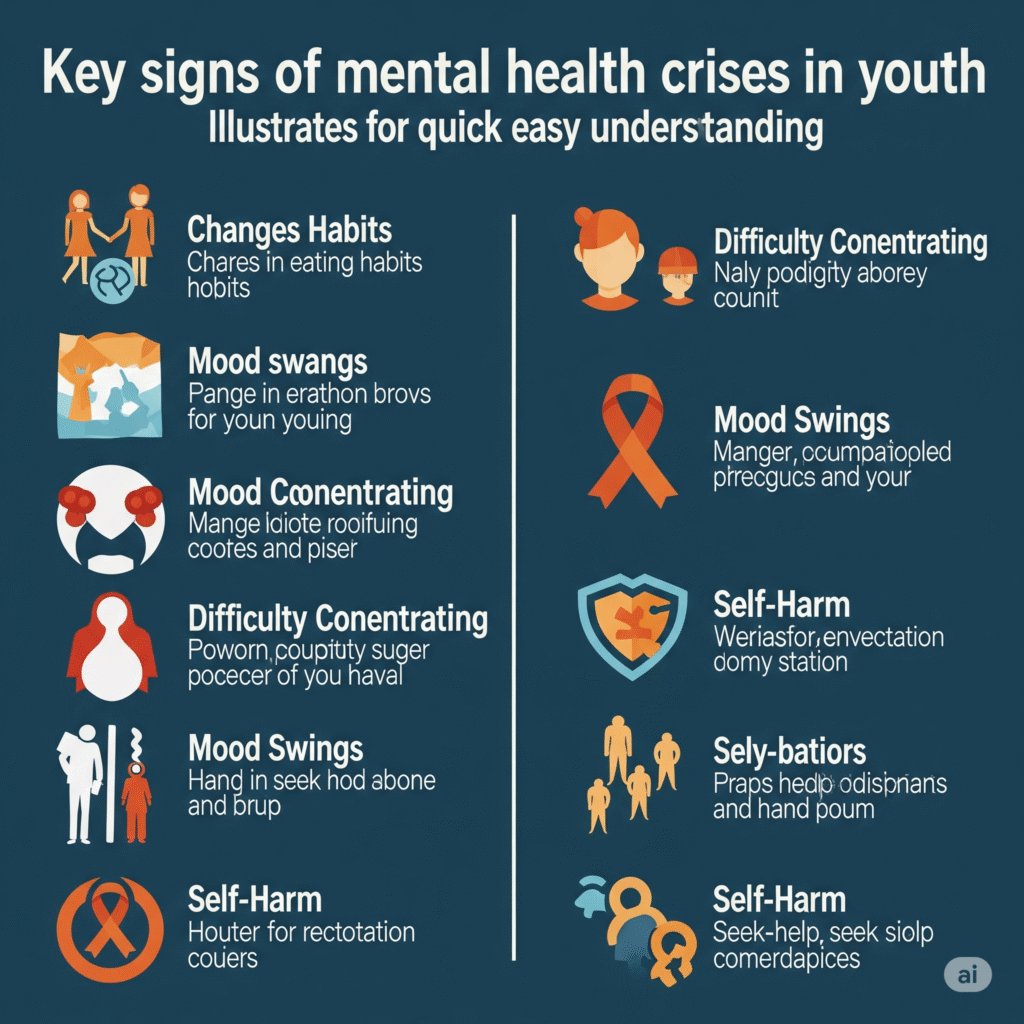
1. Recognizing Warning Signs
- Sudden mood swings
- Withdrawal from friends
- Extreme fatigue or hyperactivity
- Talking about hopelessness
2. Active Listening Without Judgment
- Avoid interrupting
- Show empathy (“That sounds really tough”)
- Don’t dismiss their feelings (“Just cheer up” isn’t helpful)
3. Crisis De-escalation Techniques
- Stay calm and speak softly
- Remove potential dangers (if self-harm is a risk)
- Guide them toward grounding exercises
4. Connecting to Professional Help
- Know local hotlines and counseling services
- Encourage therapy without forcing it
- Offer to accompany them if they’re nervous
How to Get Certified in Mental Health First Aid
Getting trained is simple:
- Find a course – Organizations like Mental Health First Aid USA offer youth-focused programs.
- Complete the training – Usually 6–8 hours (online or in-person).
- Get certified – Valid for 3 years, with refresher courses available.
Many schools and workplaces now offer free training—ask about it!
Real-Life Impact of Mental Health First Aid
- A student noticed their friend posting alarming messages. Using their training, they talked them out of self-harm and connected them to a counselor.
- A youth leader recognized signs of an eating disorder in a teen and helped them seek treatment early.
These stories show how mental health first aid training saves lives.
Conclusion: Be the Difference Someone Needs
Mental health struggles don’t have to be faced alone. With mental health first aid training, you can be the lifeline a friend needs.
Ready to take action?
✅ Find a course near you
✅ Encourage your school or workplace to host training
✅ Share this guide to spread awareness
Small actions create big change. Will you be part of it?